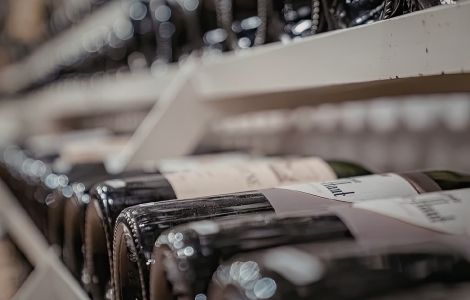
What Is Investment-Grade Wine?
Not every bottle of wine is suitable for investment.
While millions of wines are produced and consumed around the world every year, only a very small percentage qualify as “investment-grade.” These wines are typically produced by globally recognised estates with established reputations for quality, consistency, rarity, and collectability.
Investment-grade wines are highly sought after by collectors, investors, merchants, and luxury buyers worldwide, creating strong and sustained demand within the secondary market.
Understanding what separates investment-grade wine from everyday wine is essential for anyone considering entering the fine wine investment market.
Provenance: Why Authenticity Matters
One of the most important factors in fine wine investment is provenance.
Provenance refers to the origin, ownership history, storage conditions, and authenticity of the wine. Investors and buyers need confidence that wines have been professionally stored, correctly documented, and sourced through trusted channels.
In the fine wine market, provenance can significantly influence value. Wines with complete traceability and bonded storage history are often considerably more desirable than bottles with uncertain origins.
At Fine Worth, provenance remains central to every acquisition decision, helping ensure confidence and long-term portfolio integrity.
Scarcity & Limited Production
Scarcity is one of the key drivers behind investment-grade wine performance.
The world’s finest wines are produced in tightly controlled quantities, often from vineyards with centuries of heritage and limited production capacity. Unlike many traditional assets, wine becomes increasingly rare over time because bottles are continually consumed.
As availability decreases and global demand remains strong, prices can rise significantly — particularly for sought-after producers and exceptional vintages.
Regions such as Burgundy are especially known for extreme scarcity due to fragmented vineyard ownership and very limited annual production.
The Role of Critic Scores
Wine critics continue to play an influential role within the investment market.
Highly respected critics such as Robert Parker Jr., Neal Martin, James Suckling, and Wine Spectator can significantly impact market demand and pricing through their ratings and reviews.
Exceptional critic scores often increase international attention toward specific vintages and producers, creating additional demand within the secondary market.
While critic scores should never be the sole reason for investment, they remain an important indicator of market perception and collectability.
Why Longevity Matters
Investment-grade wines are designed to age over extended periods, often improving in complexity, structure, and quality over decades.
Unlike everyday wines intended for immediate consumption, fine wines are produced specifically with long-term maturation in mind. As wines mature and drinking windows improve, collector demand often strengthens.
This ageing potential contributes heavily to long-term value appreciation within the market.
Many investors therefore approach fine wine with medium to long-term holding periods, allowing scarcity and maturity to enhance future market demand.
The Importance of Producer Reputation
Producer reputation is another major factor that defines investment-grade wine.
Historic estates and globally recognised producers have built reputations over decades — and in some cases centuries — through consistent quality and international demand.
Wines from prestigious producers in Bordeaux, Burgundy, Champagne, Tuscany, and Napa Valley continue to dominate much of the investment market due to their established global recognition.
Collectors and investors often prioritise estates with proven track records of demand and long-term performance within the secondary market.
The World’s Leading Investment Regions
Certain wine regions have become particularly important within the investment market.
Bordeaux remains one of the most established and liquid fine wine markets globally, known for internationally recognised châteaux and long-term market stability.
Burgundy has become increasingly sought after due to its rarity and limited production, while Champagne continues to gain momentum as a luxury investment category.
Italy, particularly Tuscany and the Super Tuscan market, has also experienced substantial growth in global collector demand, alongside premium producers from Napa Valley in the United States.
Understanding regional dynamics is essential when building a balanced fine wine portfolio.
Storage & Portfolio Protection
Storage plays a critical role in protecting investment value.
Investment-grade wines are typically held within professional bonded warehouses designed specifically for long-term wine storage. Temperature control, humidity regulation, insurance, and full documentation help preserve both condition and provenance.
Improperly stored wine can rapidly lose value, regardless of producer or rarity.
For this reason, professional storage is considered essential within the fine wine investment market.
Building a Long-Term Investment Strategy
Fine wine investment should generally be approached as a medium to long-term strategy.
Successful portfolios are often built around diversification across producers, vintages, and regions while focusing on quality, scarcity, and global demand.
Patience, disciplined sourcing, and expert guidance are often key to navigating the market successfully.
Rather than chasing short-term speculation, many investors focus on building carefully structured portfolios designed for long-term growth and wealth preservation.
Investing With Confidence
As global interest in alternative assets continues to rise, investment-grade wine remains one of the most distinctive and established opportunities available to investors.
Its combination of rarity, provenance, heritage, and international demand creates a market built on tangible long-term fundamentals.
At Fine Worth, we help clients identify investment-grade wines with strong market potential through disciplined sourcing, secure bonded storage, and ongoing portfolio support.
Whether you are entirely new to fine wine investment or looking to expand an existing portfolio, understanding the characteristics of investment-grade wine is the first step toward building a portfolio with long-term value and global appeal.
Request Your Complimentary Wine Investment Guide
Click here to request your complimentary Wine Investment Guide and learn more about the global wine investment market.