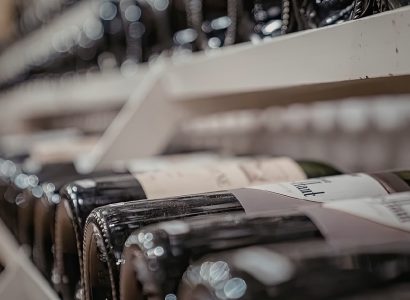
Why Storage Matters in Fine Wine Investment
In the world of fine wine investment, storage is far more than a practical consideration — it is one of the most important factors influencing long-term value, authenticity, and resale potential.
Even the world’s most prestigious wines can lose significant value if they are stored incorrectly. Temperature fluctuations, poor humidity control, light exposure, and improper handling can all damage wine over time, affecting both quality and market confidence.
For investors, professional storage is essential not only for preserving the condition of the wine itself but also for protecting provenance, traceability, and long-term portfolio performance.
The Relationship Between Storage & Value
Investment-grade wine is a living asset that evolves over time.
Unlike traditional investments, wine continues to mature within the bottle, gradually developing complexity, balance, and character. However, this ageing process can only occur correctly under carefully controlled conditions.
If wine is exposed to excessive heat, direct sunlight, vibration, or unstable temperatures, it can deteriorate prematurely. Corks may dry out, oxidation can occur, and the wine’s overall quality may become compromised.
Once condition is questioned, resale value can decline dramatically — even if the wine originates from a globally recognised producer.
For this reason, serious collectors and investors rely on professional bonded storage facilities specifically designed for long-term preservation.
What Is Bonded Wine Storage?
Bonded storage refers to wine held within government-regulated warehouses where duty and VAT remain unpaid until the wine leaves storage.
These facilities are specifically designed to preserve fine wine under optimal environmental conditions while maintaining full documentation and traceability throughout the wine’s lifecycle.
Professional bonded warehouses typically offer:
- Temperature-controlled environments
- Humidity management
- Secure inventory tracking
- Insurance protection
- Full ownership documentation
- Reduced handling and transportation risk
For investors, bonded storage provides both practical and financial advantages while strengthening the wine’s market credibility.
Provenance: The Foundation of Market Confidence
In the fine wine market, provenance is everything.
Provenance refers to the documented history of the wine, including where it originated, how it has been stored, and whether its authenticity can be fully verified.
Buyers are increasingly cautious when purchasing high-value wines, particularly within the secondary market. Wines with incomplete storage history or uncertain origins often struggle to achieve premium resale prices.
Professionally stored wines with clear provenance documentation are generally viewed as significantly more desirable and trustworthy.
This is particularly important for rare wines, older vintages, and highly collectible producers where authenticity and condition directly influence market value.
Protecting Against Fraud & Counterfeiting
As fine wine values continue to rise globally, counterfeit wine has become an increasing concern within the luxury asset market.
Professional bonded storage plays an important role in reducing fraud risk by maintaining secure documentation, ownership records, and verified supply chains.
When wine remains stored professionally from the point of purchase, investors benefit from a clear chain of custody that helps support authenticity and resale confidence.
For serious collectors and investors, this level of protection is essential.
Why Investors Avoid Home Storage
While private wine cellars may be suitable for personal collections, they are rarely recommended for investment portfolios.
Domestic environments typically struggle to maintain the stable temperature and humidity conditions required for long-term wine preservation. Even minor fluctuations over time can negatively impact the wine’s condition and investment value.
Home storage can also create challenges regarding provenance documentation and insurance coverage, both of which are important during resale.
For these reasons, professionally managed bonded storage remains the industry standard for investment-grade wine.
The Importance of Condition in Resale Markets
Condition is one of the first factors buyers evaluate when purchasing fine wine.
Fill levels, label condition, capsule integrity, storage history, and professional documentation all contribute to market confidence and pricing potential.
Wines stored under optimal conditions with full provenance records are often considerably easier to trade within the global secondary market.
As collectors become increasingly selective, professionally stored wines continue to command stronger long-term demand.
Long-Term Portfolio Protection
For many investors, fine wine is viewed as a medium to long-term asset. Portfolios are often held for several years — and in some cases decades — before wines reach peak market maturity.
Over this timeframe, proper storage becomes absolutely essential to protecting both quality and investment performance.
Professional storage facilities are designed specifically for long-term asset preservation, helping investors maintain portfolio integrity while reducing avoidable risk.
Storage as Part of a Disciplined Investment Strategy
At Fine Worth, secure bonded storage forms a core part of our investment approach.
Every portfolio is supported through professionally managed storage solutions designed to protect provenance, authenticity, and long-term value. Alongside disciplined sourcing and ongoing portfolio support, proper storage helps ensure clients maintain confidence in the quality and integrity of their assets.
Fine wine investment is ultimately built on trust, rarity, and condition. Without proper storage, even the finest wines can lose both quality and market value.
For investors seeking to preserve wealth through tangible luxury assets, professionally managed storage remains one of the most important foundations of a successful fine wine portfolio.
Request Your Complimentary Wine Investment Guide
Click here to request your complimentary Wine Investment Guide and learn more about the global wine investment market.