Whisky cask investment has become increasingly popular among investors seeking tangible alternative assets with long-term growth potential. Yet despite the growing interest in the market, many first-time investors still ask the same question:
How does whisky cask investment actually work?
Unlike purchasing bottled whisky for consumption, cask investment involves acquiring ownership of maturing whisky stored within regulated bonded warehouses. Over time, the whisky continues to age inside the cask, with rarity and market demand often increasing alongside maturation.
Understanding the fundamentals of the process is essential for any investor considering entry into the whisky market.
What Is A Whisky Cask Investment?
A whisky cask investment involves purchasing a full cask of maturing Scotch whisky directly from the secondary market or through specialist sourcing partners.
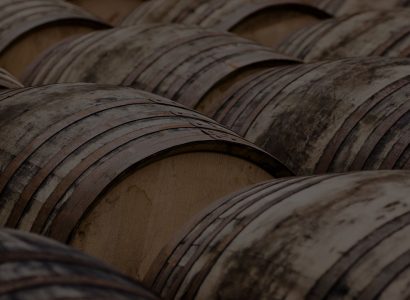
Rather than owning bottles, investors own the whisky while it continues to mature inside the barrel. The cask remains stored within a bonded warehouse under regulated conditions designed to preserve quality and authenticity.
Each cask is unique and influenced by factors such as:
- Distillery
- Fill date
- Cask type
- Age
- Alcohol strength
- Maturation environment
Over time, the whisky develops greater complexity and scarcity, which can increase collector and market appeal.
How The Whisky Matures Over Time
Whisky maturation is a natural ageing process that occurs inside the cask over many years.
During maturation:
- The spirit interacts with the wood
- Flavour and character develop
- Volume slowly decreases through evaporation
- Older stock becomes increasingly scarce
This natural evaporation process is known as the “Angel’s Share.”
Because whisky cannot be rapidly produced or artificially aged, time becomes one of the key drivers of rarity within the market.
As a result, well-selected casks from respected distilleries may become increasingly desirable as they mature.
Where Whisky Casks Are Stored
Investment-grade whisky casks are typically stored within HMRC-regulated bonded warehouses.
Bonded storage provides several important benefits:
- Professional maturation conditions
- Duty suspension while whisky remains in bond
- Insurance protection
- Secure asset storage
- Ownership traceability
The cask remains under warehouse management while the investor retains legal ownership of the asset.
Proper storage plays a critical role in preserving the quality, provenance, and long-term integrity of the whisky.
What Determines The Value Of A Whisky Cask?
Several factors can influence the value and investment potential of a whisky cask.
These commonly include:
- Distillery reputation
- Age of the whisky
- Rarity
- Global demand
- Cask type
- Remaining alcohol volume
- Collector interest
- Market conditions
Distilleries with established international reputations and limited production capacity often attract the strongest long-term demand within the investment market.
As older stock becomes harder to source, aged casks from recognised producers may command increasing premiums.
How Investors Make Returns
Whisky cask investment is generally considered a long-term strategy rather than a short-term speculative trade.
Investors may potentially realise returns through:
- Long-term appreciation in cask value
- Increased rarity as whisky ages
- Growing global collector demand
- Strategic resale opportunities
At the end of the holding period, investors may choose to:
- Sell the cask privately
- Sell through specialist brokers
- Transfer ownership to another investor
- Bottle the whisky independently
- Explore auction opportunities
Exit strategies depend on market conditions, cask quality, and investor objectives.
Understanding The Risks
As with any investment, whisky casks carry risks and should be approached carefully.
Potential considerations include:
- Market fluctuations
- Liquidity limitations
- Long holding periods
- Distillery performance
- Changing consumer demand
Not all casks perform equally, which is why professional sourcing and due diligence are essential.
Investors should avoid unrealistic return expectations and focus on long-term asset quality, provenance, and strategic portfolio diversification.
Why Investors Work With Whisky Specialists
Navigating the whisky market requires specialist knowledge and access to reputable sourcing networks.
Professional whisky investment firms help investors:
- Source investment-grade casks
- Verify ownership documentation
- Arrange bonded storage
- Monitor portfolio performance
- Plan long-term exit strategies
Experienced guidance can help investors make informed decisions while reducing unnecessary risks within the market.
Conclusion
Whisky cask investment combines scarcity, maturation, global demand, and tangible ownership within one of the world’s most respected luxury asset markets.
While the process may initially appear complex, the fundamentals are straightforward:
- Acquire a professionally sourced cask
- Store it securely within bond
- Allow the whisky to mature
- Monitor long-term market demand
- Exit strategically when appropriate
For investors seeking diversification beyond traditional markets, whisky casks continue to offer a compelling long-term alternative asset opportunity in 2026.
Request Your Complimentary Whisky Investment Guide
Fine Worth provides access to professionally sourced whisky cask opportunities supported by bonded storage, market expertise, and long-term portfolio guidance.
Click here to request your complimentary Whisky Investment Guide and learn more about how whisky cask investment works.